


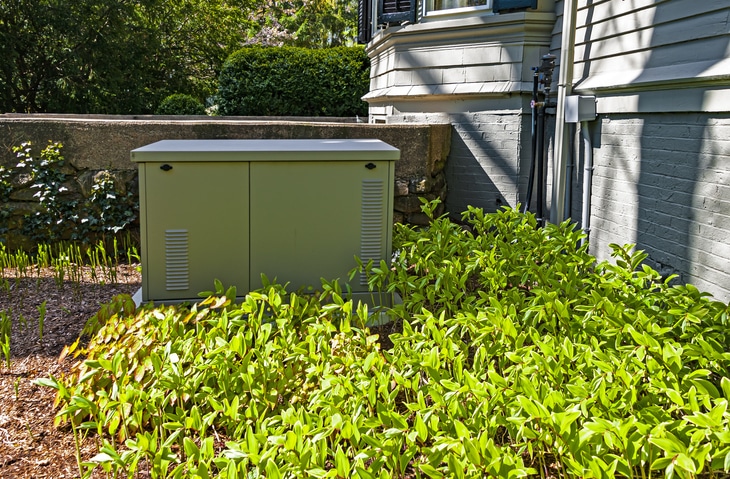
Your backup generator protects your home during power outages and keeps essential systems running. Because it is usually needed during emergencies, it’s important to make sure the system is always ready to operate at a moment’s notice. To extend the lifespan of your generator and provide greater peace of mind, here are four simple maintenance tips you can try today.
1. Run Periodically Under Partial Load
One of the best ways to help extend the lifespan of a generator is by running it periodically instead of allowing it to be unused for long periods of time. Letting a generator sit idle for too long can eventually risk fuel degradation or battery problems, which isn’t ideal when you suddenly find yourself in an emergency. To combat this, operate the generator under a partial load to help the engine stay lubricated. This allows the system to circulate fuel and fluids properly. Most major brands recommend performing this task once a month. For specific instructions for your particular model, check your user manual.
2. Inspect and Change Oil
Over time, your generator’s oil breaks down and becomes less effective at lubricating engine parts, while dirty filters can allow contaminants to circulate through the system. Running a generator with old oil or clogged filters can increase strain on the engine and contribute to overheating. Your generator’s air filter is also important for providing clean air to the engine. As a rule of thumb, inspect and change the oil and oil filter after every 200 hours of use, and inspect your air filter after every 25 hours of use.
3. Replace Spark Plugs Monthly
Spark plugs are an important electrical component for allowing the generator to start and operate properly. As they age, they can become dirty, corroded, or worn down. If they aren’t replaced, you may risk generator failure during a critical period. To check your spark plug, find and remove the spark plug cap on your generator, then use a socket wrench to loosen and remove the plug itself. Examine it for signs of residue or damage. Replace the plug entirely if you see any cracks, worn electrodes, or corrosion.
4. Schedule Professional Inspections
Professional generator inspections are an important part of preventative maintenance. During an inspection, your electrician can evaluate critical components, check fuel and electrical systems, and address small issues before they become larger problems. Professional maintenance also helps ensure the generator is ready to go when emergency situations arise. Most experts recommend at least one professional inspection a year or anytime before major storms.
Regular generator maintenance can improve reliability, reduce unnecessary wear and tear, and keep you prepared for emergency situations. By staying consistent with both at-home maintenance and professional inspections, you can successfully extend the lifespan of your generator and reduce the risk of unexpected performance issues when backup power is needed most. If you live in Topeka, KS or a surrounding area and need generator services, make your first call to Electrical Pros.