


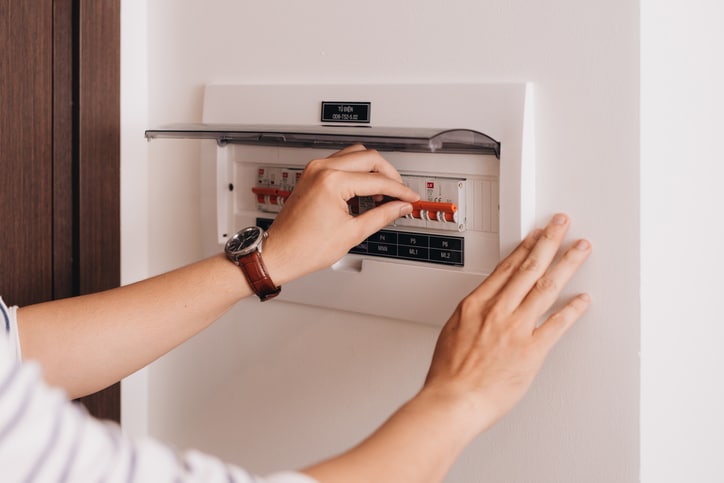
Your electrical panel is the control center of your home’s power system. It distributes electricity to every outlet, light, and appliance. As homes rely on more devices and modern technology, older panels may struggle to keep up. That leads many homeowners to consider an upgrade. Before making that decision, it helps to understand both the advantages and potential drawbacks.
What Does an Electrical Panel Do?
An electrical panel directs electricity from the main power source into individual circuits throughout your home. It also protects your system by shutting off power when circuits become overloaded. When a panel becomes outdated or damaged, it can affect performance and safety.
Electricians often recommend evaluating your panel if you notice flickering lights, frequently tripped breakers, or limited capacity for new appliances. These signs may indicate that a system no longer meets your household’s needs.
Pros of Electrical Panel Upgrades
Upgrading your electrical panel can provide several long-term benefits. It improves both functionality and safety as you prepare your home for future electrical demands.
Key advantages of upgrading your electrical panel include:
- Improved electrical safety
- Increased capacity
- Better energy distribution
- Compatibility with renovations and additions
- Potential increase in property value
A new panel allows your system to operate more efficiently. It can handle higher electric loads without frequent interruptions. This becomes especially important as homes add features like electric vehicle chargers, smart systems, and advanced HVAC equipment.
Safety is another major benefit. Older panels may rely on outdated components that no longer meet current standards. Replacing them helps reduce fire risks and improves overall reliability.
Cons of Electrical Panel Upgrades
While there are clear benefits, electrical panel upgrades also come with considerations. Understanding these factors helps you plan and avoid surprises.
Common drawbacks of upgrading your electrical panel include:
- Upfront costs for equipment
- Temporary power disruption
- Possible need for additional upgrades
- Permit and inspection requirements
The cost of an upgrade can vary depending on the size of your home and the complexity of the system. In some cases, electricians may need to update wiring or grounding to support the new panel. These additional steps can extend both the timeline and the budget.
Installation also requires shutting off the power for a period of time. While this is temporary, it may require planning around daily routines.
Professional Evaluation Matters
Electrical systems require careful handling and proper knowledge. Electricians can assess your current panel and determine whether an upgrade is necessary. They evaluate load capacity, wiring condition, and overall system performance.
This process ensures that any upgrades align with safety standards and long-term needs. It also helps identify related issues that may not be immediately visible.
Making the Right Choice for Your Electrical Panel
Electrical panel upgrades offer clear benefits in safety, capacity, and performance. At the same time, they require an upfront investment and careful planning. By weighing the pros and cons and getting professional guidance, you can make an informed decision. If you live in Topeka, KS or a surrounding area and need electrical panel services, make your first call to Electrical Pros.