

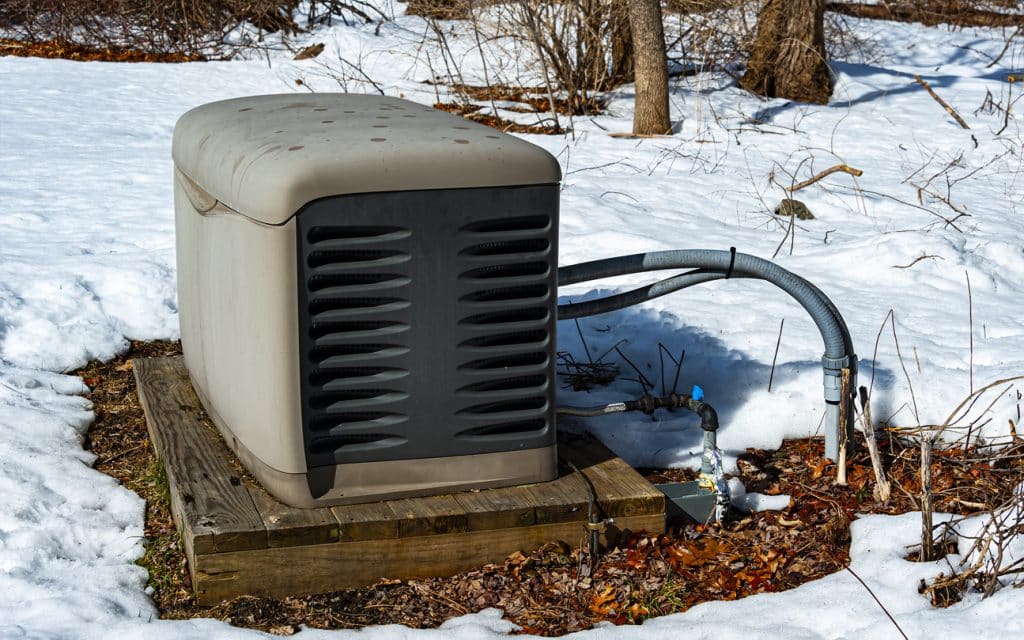
During a prolonged outage, many of us power up a portable generator to keep the refrigerated food cold and the phones charged. This is a smart move for any prepared homeowner. However, these machines can be dangerous if you use them wrong. You could accidentally invite deadly gases into your living room or even start a fire that spreads faster than you can grab a fire extinguisher. Following some basic rules will save you a world of trouble.
The Silent Threat of Carbon Monoxide
You might think it is OK to run the machine in the garage with the door cracked open. But that is a mistake that can be fatal. Carbon monoxide can build up in enclosed or even partially enclosed spaces very quickly. Because you cannot see or smell it, you will not know you are in danger until you feel dizzy or sick. You must keep your generator at least 20 feet away from your house. Always point the exhaust pipe away from any windows, doors, or vents. Use a specialized generator tent or a detached open canopy rather than pulling that machine anywhere near your home’s structure.
The Golden Rule of Fueling and Fire
When the generator starts sputtering because it is low on gas, your first instinct might be to grab the red plastic can and pour more fuel in right away. This is actually one of the most common ways people get hurt during a blackout. Running engines are extremely hot. If you spill even a tiny drop of gasoline on a hot muffler or engine block, it can ignite instantly.
Always turn the engine off and let it cool down for at least 15 minutes before opening the gas cap. This cooling period gives the metal parts time to drop in temperature so that a small spill doesn’t become a life-changing disaster. It is also a good idea to store your extra fuel cans far away from the machine and any other heat sources, such as a water heater or furnace, to keep your shed or garage safe.
Avoiding the Deadly Trap of Backfeeding
Connecting your generator to your house might seem simple. However, if you try to plug it directly into a wall outlet using a cord with two male ends, you are doing something called backfeeding. This is extremely dangerous because it sends electricity backward through your house wires and out into the neighborhood power lines. A utility worker down the street might be trying to fix the main line, and your generator could suddenly zap them with thousands of volts without any warning at all. To avoid this, plug your appliances only directly into the outlets on the generator itself using heavy-duty, outdoor-rated extension cords.
If your generator has been sitting unused for some time, schedule a professional inspection. An electrician can find and fix any hidden problems and make sure you are good to go for the next outage. If you live in Topeka, KS or a surrounding area and need generator services, make your first call to Electrical Pros.