

Older homes have both character and history, but they also come with electrical systems that may not be designed for winter demands. Cold weather can place extra stress on an older electrical panel, especially when heaters, humidifiers and holiday lighting are in use. Understanding how to protect and monitor your panel during winter can help reduce risks and improve reliability.
Understand the Limits of an Older Panel
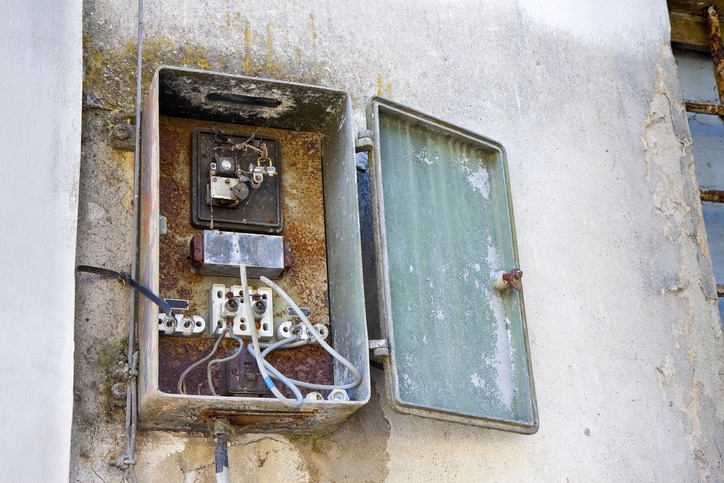
Many older homes still rely on electrical panels that were installed decades ago. These panels usually have lower amp capacity and fewer circuits than what modern-day households require. During the winter, electrical loads often increase as space heaters and additional lighting are used more frequently.
Keeping track of how many devices run at the same time can help prevent tripped breakers and overheating. If your breakers keep tripping during the winter, it could be a sign that your panel is unable to keep up with electrical demands.
Keep Moisture Away From the Panel
In addition to freezing temperatures, winter also brings about snow and ice, both of which can increase moisture in basements, garages and laundry rooms. Moisture near an electrical panel increases the risk of corrosion and electrical failure. Make sure the area around the panel stays dry and well ventilated. Check for signs of leaks and dampness on nearby walls, especially after snowstorms or temperature dips.
Check for Cold Weather Warning Signs
Cold temperatures can also cause internal metal components of an electrical panel to contract slightly. Over time, this can loosen connections and cause issues. Warning signs to look for include flickering lights, buzzing sounds from the panel or a burning smell.
You should never ignore any of these warning signs as they may indicate loose wiring or failing breakers.
Avoid Overusing Space Heaters
Portable space heaters may be more common in older homes, but they use significantly more power. Plugging multiple heaters into the same circuit can overload it quickly and possibly trip the breaker. Use heaters sparingly and always plug them directly into a wall outlet rather than a power strip. You can also rotate heaters between rooms to help balance electrical demand.
Label Circuits and Keep Access Clear
Winter isn’t the best time to discover you don’t know which breaker controls what. Clearly labeled circuits make it easier to shut off power safely when needed. Make sure the panel remains easily accessible and free from boxes or other seasonal items. Clear access to the panel is important for your safety during an electrical issue.
Caring for an older home means paying attention to systems that typically work quietly in the background. If you live in Topeka, KS and need to schedule an inspection of your electrical panel, call Electrical Pros LLC.